People often search for Christian books when something in life needs attention. They may feel stuck, disconnected from God, uncertain about a decision, or tired of repeating the same mistake. Some look for practical advice. Others want spiritual guidance that reaches beyond one immediate problem.
This is where the difference between Christian self-help books and Christian living books by Gregory Harris becomes useful. The two categories share many themes, though they guide readers from different starting points.
The Difference in Plain English
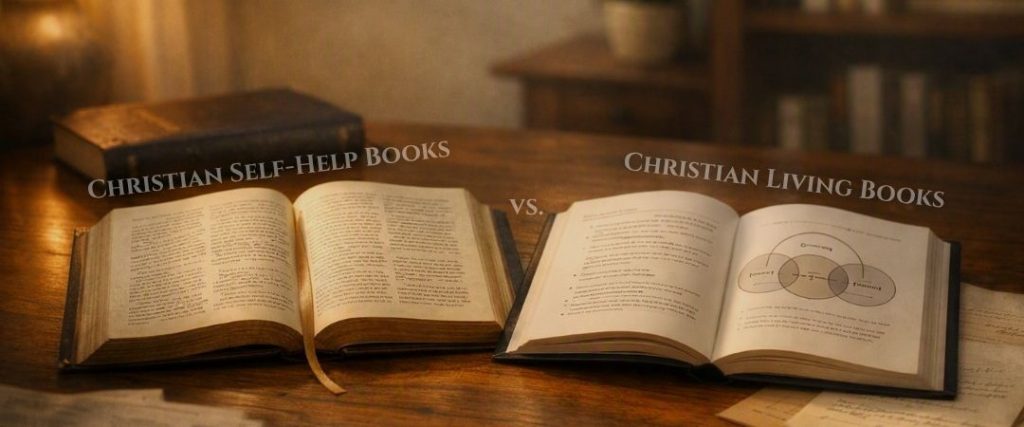
Christian self-help books usually begin with a personal challenge. The subject might be fear, confidence, grief, relationships, habits, or emotional healing. They help readers understand the problem and take practical steps toward change.
Christian living books explore how faith shapes everyday choices. They may discuss prayer, work, family, service, purpose, relationships, and spiritual growth. Major Christian booksellers place subjects such as prayer, health, parenting, relationships, and life issues within the broader Christian living category.
| Starting point | A personal problem or goal | A desire to live out one’s faith |
| Common subjects | Fear, habits, confidence, grief | Prayer, purpose, family, service |
| Main approach | Advice and practical exercises | Scripture, reflection, and application |
| Reader’s goal | Address a specific struggle | Develop a consistent Christian life |
The categories often overlap. A book about overcoming fear may include prayer and Scripture. A book about Christian living may also help readers build confidence or recover from a setback.
Why Some Christians Question the Self-Help Label
The phrase “self-help” can make some Christian readers uncomfortable. It may suggest that people can solve every problem through willpower, positive thinking, or personal discipline.
That concern deserves a fair answer. Healthy Christian growth recognizes human limits. Prayer, Scripture, wise counsel, community, and professional support may all play a role. Personal responsibility still matters. A person must make decisions, change habits, ask for help, and follow through.
The strongest faith-based books keep these parts connected. They encourage readers to trust God while taking responsibility for the choices within their control.
Someone who wants to return to school still needs to complete an application. A person recovering from illness must follow medical advice. Someone leaving an unhealthy situation may need support, planning, and clear boundaries. Faith can guide those decisions, while action carries them forward.
What Readers Really Want From Christian Books
Readers rarely begin with a category label. They begin with a question:
- How can I grow closer to God?
- What should I do when my faith feels weak?
- How do I forgive someone without accepting more harm?
- Can I rebuild my life after a major setback?
- How can I make decisions when I feel afraid?
- What does Christian faith look like at work or at home?
Good Christian living books take these questions seriously. They give readers enough context to understand the issue and enough direction to decide what to do next.
Readers also want honesty. Quick answers may sound encouraging for a moment, but they rarely help with complicated experiences. Divorce, illness, career changes, family conflict, and spiritual doubt require patience. Useful books acknowledge that progress can take time.
Personal Experience Can Make the Guidance More Credible
Advice becomes easier to trust when the writer has lived through the subject.
In How I Got Off That Tree Limb, Dr. Gregory Harris writes about fear, education, illness, work, relationships, and faith through events from his own life. He does not discuss perseverance as an abstract idea. He describes situations that required it.
At fifteen, problems with his vocal cords placed his ability to sing at risk. He visited doctors, underwent surgery, temporarily lost his voice, and faced an uncertain recovery. Faith supported him during that period, along with medical care and help from his family. He later became a professional gospel singer and choir director.
His educational journey offers another example. Dr. Harris spent about ten years away from school before returning to college. His father’s graduation encouraged him to reconsider his own future. He earned a bachelor’s degree, entered teaching, completed a master’s degree, and later received a doctorate.
These experiences give the book qualities found in both Christian motivational books and inspirational Christian memoirs. Readers receive encouragement through a life that included mistakes, waiting, work, and gradual change.
Christian Living Reaches Beyond Private Faith
Christian living affects ordinary responsibilities. It influences how someone treats coworkers, handles disappointment, supports family members, responds to conflict, and uses personal abilities.
Dr. Harris’s faith shaped his work as an educator, union advocate, musician, father, and community leader. His story shows why Christian growth cannot remain limited to private prayer. Beliefs become visible through conduct, decisions, and relationships.
This practical focus also separates thoughtful Christian books about life from vague motivational writing. Encouragement has greater value when readers can connect it with a real choice.
How to Choose the Right Type of Book
Before choosing between Christian self-help and Christian living books, identify what you need from the reading experience.
Look for:
- A subject that matches your current situation
- An author with relevant experience or knowledge
- Practical guidance supported by clear reasoning
- Scripture used with proper context
- Honest treatment of setbacks and limitations
- Advice that respects medical, pastoral, or professional support when needed
A focused self-help book may suit one immediate struggle. A Christian living book may help when you want broader spiritual direction. A memoir can offer companionship through someone else’s honest experience.
Choose a Book That Helps You Live What You Believe
The label matters less once you understand the book’s purpose. Christian self-help books tend to address specific personal challenges. Christian living books examine faith across the wider course of life. Many meaningful books belong somewhere between the two. The best choice will help you understand your situation, examine your beliefs, and take a responsible next step. That is where reading begins to affect daily life.
One Response